Ross Adams writes geopolitical thrillers exploring how resource scarcity, systemic pressure, and shifting power structures reshape the world. His work focuses on how small, often overlooked changes, economic, environmental, and political, can escalate into global consequences.
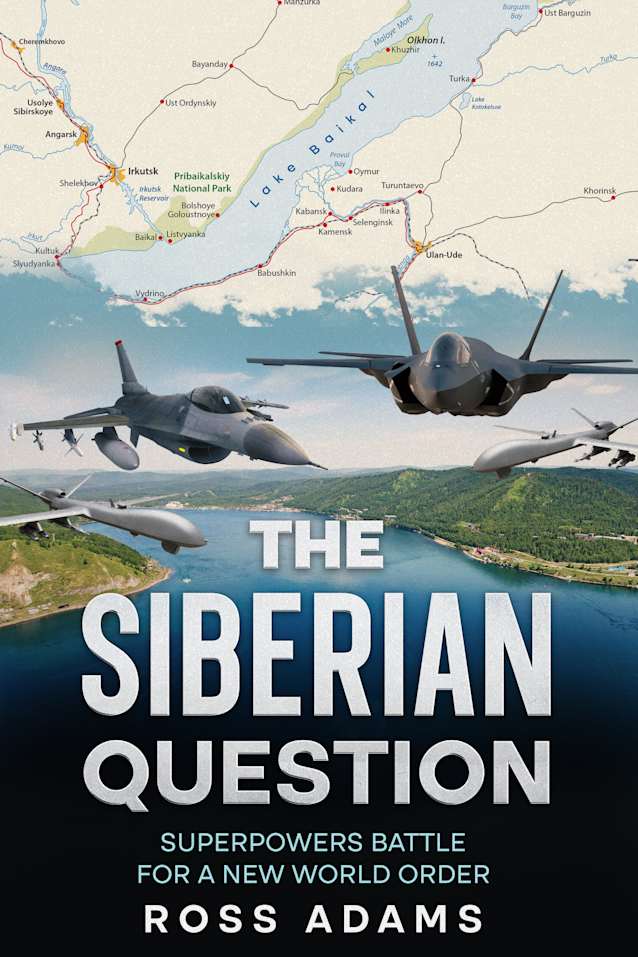
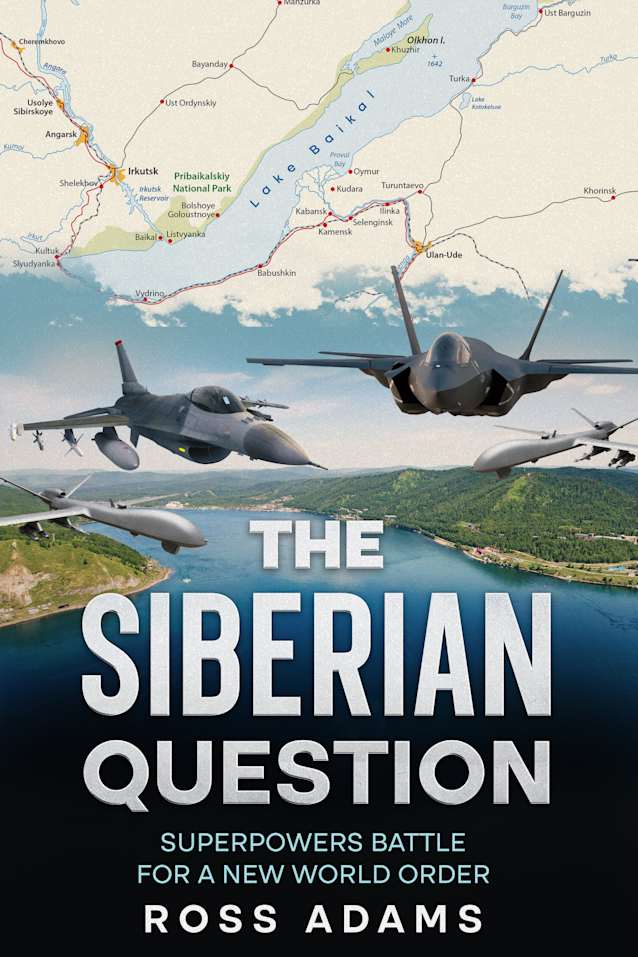
The Siberian Question begins the story, examining how those shifts start.
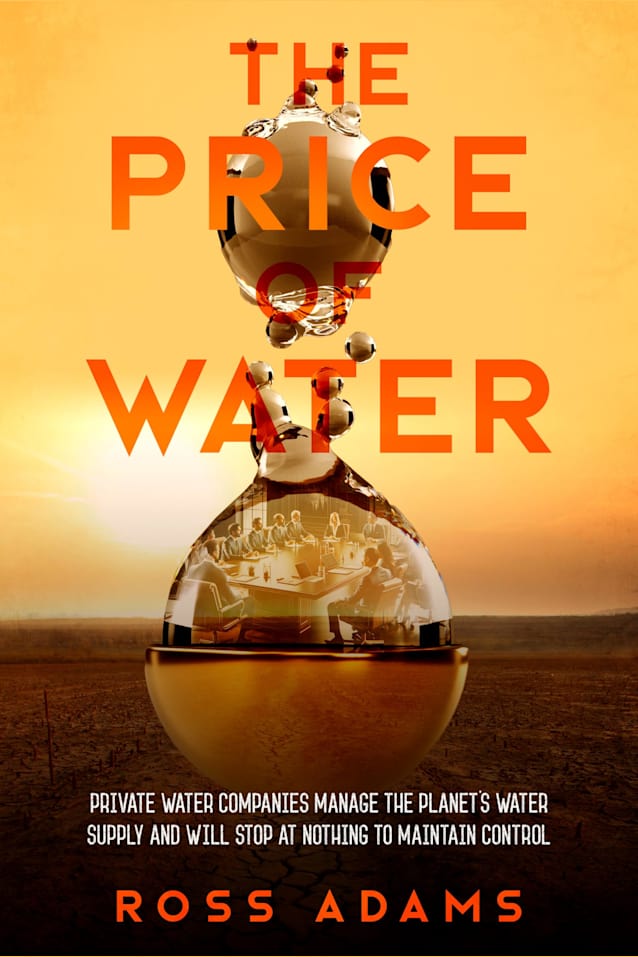
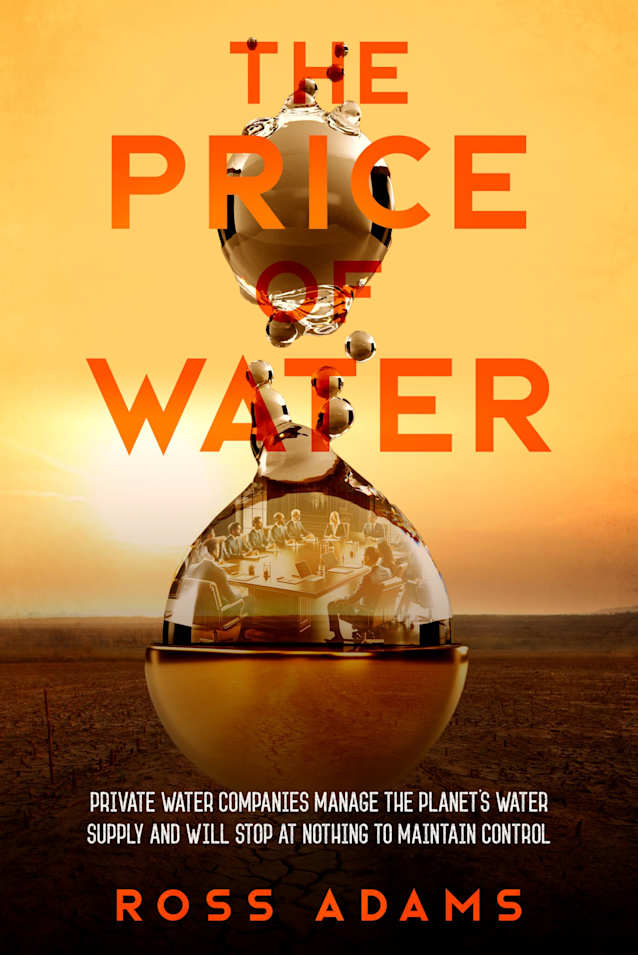
The Price of Water continues it, exploring what happens after those changes take hold.
Ross Adams writes geopolitical thrillers exploring how resource scarcity, systemic pressure, and shifting power structures reshape the world. His work focuses on how small, often overlooked changes, economic, environmental, and political, can escalate into global consequences.
The Siberian Question begins the story, examining how those shifts start.
The Price of Water continues it, exploring what happens after those changes take hold.
What happens when water becomes more valuable than oil?
The Siberian Question explores how resource scarcity begins to reshape global power. Quietly at first, then all at once. As pressure builds across economic, political, and environmental systems, small fractures begin to form. What appears stable starts to shift. And by the time those changes...
The Price of Water explores the consequences, when the pressures that once built quietly begin to reshape the world in full. Systems that once held begin to fail. Access becomes power. Stability becomes uncertain. And the cost of control becomes impossible to ignore.
Now that I've got The Price of Water and The Siberian Question out in the world,, the third book in The Hammurabi Series is underway, The Iranian Promise. Trump's war on Iran...
I am proud to announce that The Siberian Question is now available for purchase at books.by/rossadams for the paperback and at all of the usual publishing platforms for the...
I am getting very excited about the release of The Siberian Question on Monday, February 9, 2026. Right now anyone can pre-order the eBook on Amazon, GooglePlay, AppleBooks or...
The most consequential period in any geopolitical transition is not the collapse. It's the shift that precedes it.
This is the sixth and final entry in the Pressure Points series, a collection of observations on resource scarcity, infrastructure fragility, and geopolitical leverage that informs the analytical foundation of the Hammurabi Code Series. If you're arriving here for the first time, the previous five entries are linked throughout this piece. Start anywhere. But this one is the...
By the time the regulation exists, the leverage is already in place.
There is a pattern I have watched repeat itself across resource sectors throughout more than three decades of legal practice. It is not dramatic. It does not make headlines when it happens. It happens quietly, incrementally, and entirely within the law.
The pattern is this: the legal and corporate mechanisms for resource exploitation consistently outpace the regulatory frameworks designed to govern them. This is not...
It isn't the shortage that reshapes geopolitics. It's who controls the shortage.
In the autumn of 1973, the members of the Organization of Arab Petroleum Exporting Countries announced an embargo on oil exports to the United States, Western Europe, and Japan. The stated reason was political. Retaliation for Western support of Israel during the Yom Kippur War. The actual mechanism was resource control.
Within months, the price of oil had quadrupled. Gasoline lines stretched around city blocks in...